|
|
|
A
clear voice in a foggy world
May 2025
|
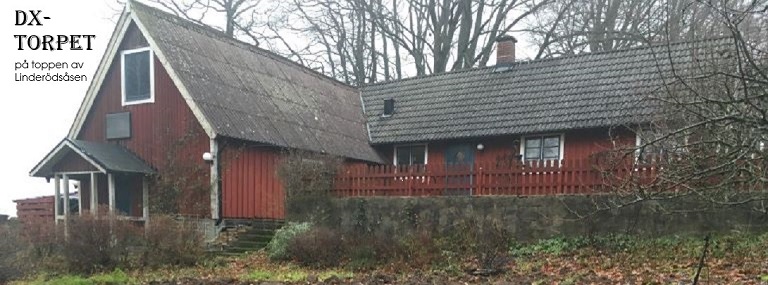
DX-Torpet
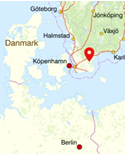
Skåne
DXer:
Hermod Pedersen
CV: DXing since 1971, focusing on
Latin American radio stations. Have been president of the Swedish DX
Federation, and started its first Bulletin Board in 1990. Started the
Nordic Shortwave Center web site, later merged with HCDX.
Having retired, after 40 years in journalism, I now have more time for
radio adventures.
|
| My
links |
|
 MW list MW list
K index
Ydun's MW
MV-Eko
Shortwave Bulletin
MW Circle
China list
Cuba list
Brazil AM
FCC AM
DX Links
More DX Links
|
| About
this site |
Starting DXing
again, I need an online service to keep up with things. So this is a site
for my own pleasure, updated with what I want, when needed.
As I don't like Facebook, Instagram,
Blogger, Wordpress or other so-called free social media plattform (all they
want is to make money on our data), I do this on my own site.
So no need to worry about cookies, ads,
fancy hidden gizmos; this is just plain HTML, the way it all once started.
Contact
|
|
Papua
New Guinea's National Broadcasting Corporation (NBC) is aiming to
reintroduce shortwave radio to achieve the government's goal of
100 percent broadcast coverage by 2030.
 This
week, the state owned broadcaster hosted a workshop on the reintroduction
of shortwave radio transmission, bringing together key government
agencies and other stakeholders. This
week, the state owned broadcaster hosted a workshop on the reintroduction
of shortwave radio transmission, bringing together key government
agencies and other stakeholders.
NBC managing director Kora Nou said the proposed reintroduction
of shortwave radio can only be achieved through a collaborative
effort.
He said it is important because it ensures remote communities have
access to timely news and information.
NBC's executive director (engineering) Seloka Lewangu explained
the importance of shortwave, while making a comparison with Frequency
Modulation [FM], Shortwave, and Mediumwave transmission.
"FM is line of sight. If you see tahe tower, you receive the
signal. If you don't see the tower, you don't receive the signal,"
he said.
"Medium Wave has a wider coverage compared to FM. Coverage
for FM is more for cities and towns.
"When you talk about medium wave, you talk regional now."
"When you talk shortwave, you talk countrywide. That's why
we are talking. If shortwave can do it for us, with all our rugged
mountains and scattered islands."
This transition is timely and important for wider coverage, as it
will enable broader and more reliable broadcast reach across the
country's rugged terrain.
NBC also believes this shift will reduce dependency on costly hardware,
making maintenance and upgrades easier while ensuring improved emergency
communication and public awareness. |
|